


Monster Math: Games For Kids
4.7100.00 Reviews
App Specs
- Version
- 369.1.7
- Updated On
- License
- Free
- Downloads
- 100,000+
- Developer
- Makkajai: Math Games for 1st, 2nd, 3rd, 4th grade
- Categories
- Educational
- Platform
- Android
Screenshots
 Analysis by AppCompare
When I choose a math game for a child, I look past bright characters and ask a more practical question: will it make them want to practise, and will that practice fit what they are learning? Monster Math: Games For Kids is an educational game from Makkajai: Math Games for 1st, 2nd, 3rd, 4th grade, aimed at building arithmetic fluency through play. Its appeal is the way it wraps number work in a monster adventure; the trade-off is that a lively game is not automatically a substitute for a teacher, a workbook, or calm one-to-one help.
I would consider it most seriously for a child who already has some comfort with numbers but needs a more inviting reason to practise. It may also suit a family looking for a short activity during a quiet moment at home. If a child is frustrated by maths itself, though, adding a game layer may not solve the underlying difficulty. I would sit nearby at first, notice which questions cause hesitation, and treat those moments as useful clues rather than expecting the app to diagnose the problem for me.
What to look for in a maths game
For early learners, repetition matters, but repetition can feel like a chore when every question looks and sounds the same. I value a game that gives children a reason to keep going while still keeping the numbers at the centre. Monster Math’s friendly characters and adventure framing are designed to do that. Its stated focus is on fluency for younger school grades, so I would think of it as practice support rather than a complete lesson plan for every stage of maths.
The game is free to download, with in-app purchases ranging from $7.99 to $59.99 per item. That makes it reasonable to try before deciding whether any paid option is worth considering, but I would check the purchase details with a parent before handing over a device. It has an Everyone age rating, a 4.6 average from around 1,200 ratings, and more than 100,000 installs. Those figures suggest that plenty of families have tried it, but they do not tell me whether its style will suit a particular child.
Where the monster adventure earns its place
Monster Math’s strongest idea is making arithmetic feel connected to an activity instead of presenting it as a bare string of exercises. That can be useful when a child understands a method but drifts away during routine practice. A playful setting gives them another reason to return to a problem, and that extra willingness to engage can matter more than elaborate explanations during a short practice session.
How it fits into an ordinary day
Imagine a child has finished homework but still needs a little number practice before dinner. I would use a brief turn with the game as a change of pace, then ask them to explain one answer in their own words. That small follow-up matters: tapping the right choice shows a result, while explaining how they reached it gives me a better sense of whether the idea has stuck. It also keeps screen time from becoming an unobserved substitute for learning together.
For siblings or friends, a shared game can make practice feel social rather than solitary. That is a useful option when one child is reluctant to work alone, though I would pay attention to whether competition encourages them or makes them rush. If the faster player starts dominating, taking turns or playing separately may be a better fit. The social angle works best when the goal is to enjoy the challenge, not to rank children by speed.
Worth Reading Before You Choose

EA SPORTS FC Mobile 26 Is a Bigger Football Game, but It Takes Time

Flipboard Shows What News Apps Must Do Beyond the Feed

Switching to Android Auto Means Rethinking Your Driving Routine

Google Calendar Makes a Crowded Week Easier to Manage

Ludo King Makes the Most of the Minutes Between Plans

Baby Panda World Brings Quick Play to Modern Phones, but Its Game Library Feels Busy
Where other approaches may be better
Compared with a conventional worksheet, a game can be more inviting, but paper is often easier when a child needs to show every step or work without a screen. A teacher or adult can also respond immediately to a misunderstanding and change the explanation on the spot. I would use Monster Math to encourage practice, not as proof that a child has mastered a topic or as a replacement for classroom instruction.
It is also worth matching the tool to the child’s current need. A learner who needs patient, spoken explanations may do better with an adult working through examples beside them. A child who is already confident but needs more structure may benefit from a planned sequence of lessons or a workbook tied closely to schoolwork. Monster Math is more compelling when motivation and repetition are the sticking points, rather than when the child needs a completely different explanation.
Making a trial useful
Rather than judging the game by whether a child asks to play again, I would watch what happens during and after a session. Do they pause to think, or tap quickly to get through it? Can they describe what made a question tricky? A short conversation afterward can reveal whether the game is supporting understanding or mostly supplying entertainment. This is a practical way to decide whether it deserves a regular place in the routine.
It helps to keep sessions purposeful. I would choose a calm moment, agree on a natural stopping point, and avoid using the game as a bargaining chip for finishing unrelated tasks. If the child becomes tense when a question is difficult, pausing is more useful than pushing through just to complete a level. A positive experience with a few thoughtful answers is better than a long session that turns number practice into another source of pressure.
Getting Started with Monster Math
First things first, downloading Monster Math: Games For Kids is a breeze. Available on both Android and iOS, it’s designed for kids aged 5 to 12. Setting it up was as easy as pie. You can create profiles for each child, which is perfect if you have more than one little Einstein at home.
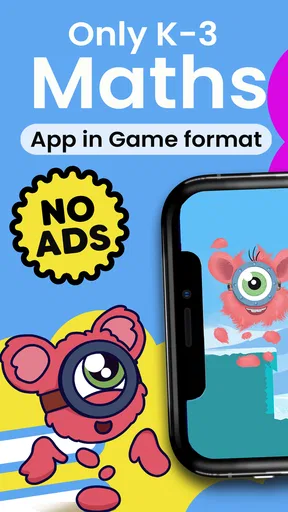
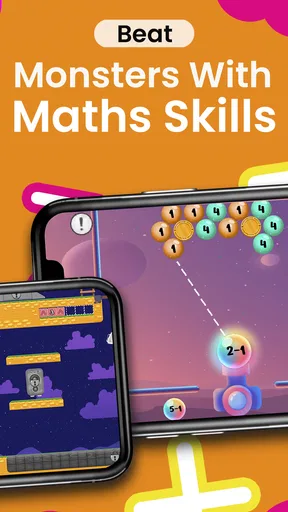
The app kicks off with a quick tutorial, introducing Maxx, the friendly monster who guides your child through various math challenges. The interface is bright, colorful, and super engaging—exactly what you’d want in an educational app. My nephew was hooked instantly, and to be honest, even I found myself getting drawn into the vibrant world.
Exploring the Features
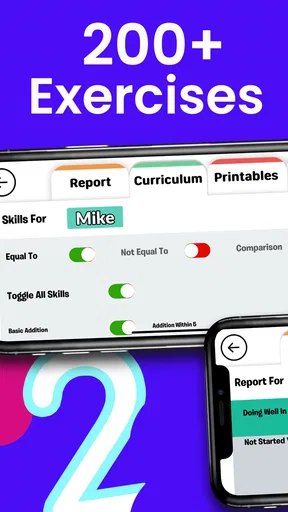
What really sets Monster Math apart is its range of interactive games that cover a variety of math topics. From addition and subtraction to multiplication and division, the app has it all. But it doesn’t just stop at basic arithmetic; it also delves into word problems, fractions, and more, making it quite comprehensive.
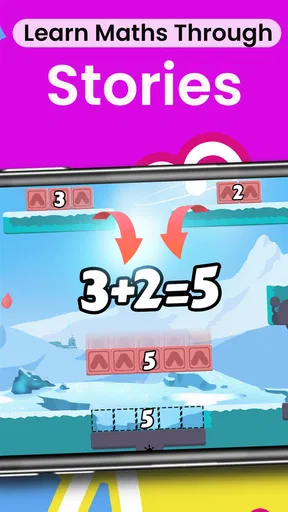
Each game is designed to make learning feel like an adventure. For example, in one game, kids help Maxx rescue his monster friends by solving math puzzles. The storyline keeps them engaged, while the math problems ensure they’re learning without even realizing it.
"Learning math has never been this exciting!"
The app also offers a multiplayer mode, which I found to be a fantastic addition. Kids can challenge their friends or siblings, turning what is usually a solitary activity into a fun group game. It's a clever way to encourage healthy competition and keep the excitement going.
Personalization and Progress Tracking
One of the standout features is the app’s ability to adapt to each child’s learning pace. If your child finds a particular topic challenging, the app adjusts the difficulty level accordingly. This personalized learning experience ensures that kids aren’t overwhelmed and can build their skills gradually.
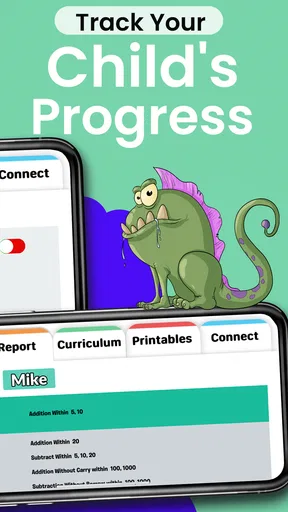
As a parent, the progress tracking feature is a lifesaver. You can easily see which areas your child excels in and where they might need a bit more practice. The reports are detailed yet straightforward, providing insights into their learning journey.
Why Kids Love It
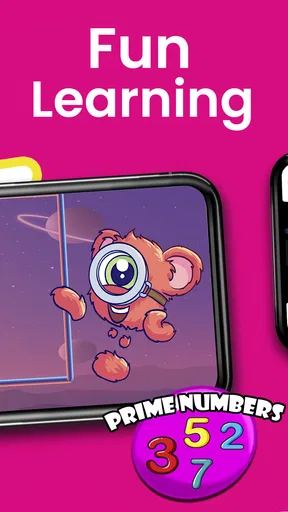
Okay, let’s talk about the fun factor. Monster Math isn’t just about crunching numbers; it’s about exploring a magical world filled with quirky monsters and exciting adventures. The animations are top-notch, and the sound effects add a layer of immersion that keeps kids coming back for more.
My nephew particularly enjoyed the rewards system. As kids complete levels, they earn rewards and unlock new characters. This gamified approach incentivizes learning and keeps them motivated to progress further.
Switching from another practice routine
If a child already uses flash cards or a maths workbook, I would not replace everything at once. I would introduce the game as an alternative for a few practice sessions and compare how the child responds: which format helps them concentrate, and which one leads to better explanations of their answers? Flash cards are quick and easy to tailor, while written work makes reasoning visible. The game’s advantage is the adventure and interaction; its limitation is that a parent may need to add the real-world explanation around it.
For families already using a different educational game, the main question is not which one has the most colourful presentation. It is whether the topics and challenge level fit the child. I would check that the kinds of maths they are practising match what they need now, then watch for signs of frustration or boredom. Moving between tools can be worthwhile, but frequent switching may make it harder to tell whether a child is building confidence or simply responding to novelty.
There is a small cost to changing routines, even when the download itself is free: children may need time to learn a new interface, and parents need to see how its progress information can guide the next practice session. I would make that transition easier by keeping the first sessions short and asking the child what they enjoyed or found confusing. If the game gets in the way of homework, sleep, or a calmer activity, it is not earning its place just because it is educational.
Who I would recommend it to
I would recommend Monster Math to families seeking a more playful way to encourage arithmetic practice, especially when a child responds well to characters, goals, and a sense of adventure. It can also be a useful shared activity for a parent who wants to observe how a child approaches different questions and then talk through one that caused difficulty. The developer, Makkajai: Math Games for 1st, 2nd, 3rd, 4th grade, clearly positions its work around younger learners, which makes that early-school focus central to the decision.
I would be more cautious if the child needs a quiet, distraction-free environment, dislikes game-like rewards, or needs an adult to explain each step as it happens. The current version is 350.2.5 and requires OS 9 or later, so I would check device compatibility before planning to use it. Families should also keep the in-app purchase range in mind and handle any buying decisions themselves rather than leaving them to a child.
Final Thoughts
In a sea of educational apps, Monster Math: Games For Kids stands out as a stellar example of how learning can be fun and effective. Its engaging gameplay, coupled with a strong educational foundation, makes it a must-have for any parent looking to give their child a head start in math.
If you’re on the hunt for an app that will not only educate but also entertain, give Monster Math a try. It’s a delightful blend of fun and learning, and I guarantee your kids will thank you for it.
My recommendation is to treat it as one option in a child’s maths toolkit, not the whole toolkit. Try it when enthusiasm for routine practice is low, stay involved enough to notice whether the answers make sense, and stop if the game creates more distraction than progress. For the right child, that monster-led setting can turn a reluctant few minutes of arithmetic into something they are willing to attempt; for a learner who needs careful instruction or less stimulation, a workbook or an adult’s patient guidance may be the better choice.
Pros
- Engaging gameplay keeps kids interested.
- Adaptive difficulty suits different skill levels.
- Colorful graphics enhance learning experience.
- Parental controls ensure safe usage.
- No ads in the paid version.
Cons
- Limited free content can restrict learning.
- Some levels may be too challenging.
- Requires internet for full features.
- Occasional performance lags on older devices.
- Subscription model might be costly.
FAQs for Monster Math: Games For Kids
What is Monster Math: Games For Kids?
Monster Math: Games For Kids is an educational app designed to make learning math fun and engaging for children. It features a variety of interactive games and challenges that help kids practice arithmetic skills. The app uses colorful graphics and exciting gameplay to keep children entertained while they learn.
Is Monster Math suitable for all age groups?
Monster Math is primarily designed for children aged 6 to 12, covering basic arithmetic operations like addition, subtraction, multiplication, and division. However, younger or older children may also find it beneficial, depending on their math proficiency. The app adapts to different skill levels, ensuring an appropriate learning curve.
Does the app require an internet connection?
Monster Math can be played offline, which is perfect for on-the-go learning without the need for an internet connection. However, some features, such as updates or additional content, may require online access. This flexibility makes it convenient for use in various settings, whether at home or on the road.
Are there in-app purchases in Monster Math?
Yes, Monster Math offers in-app purchases. While the app provides a range of free content, additional features, levels, or customization options may be available for purchase. Parents should be aware of these options and can use parental controls to manage or restrict purchases if necessary.
How does Monster Math ensure educational quality?
Monster Math is developed with input from educators to ensure it meets educational standards. The app provides detailed progress reports and adapts to a child's learning pace, which helps identify areas needing improvement. This personalized approach helps reinforce math skills effectively, making it a valuable educational tool.


